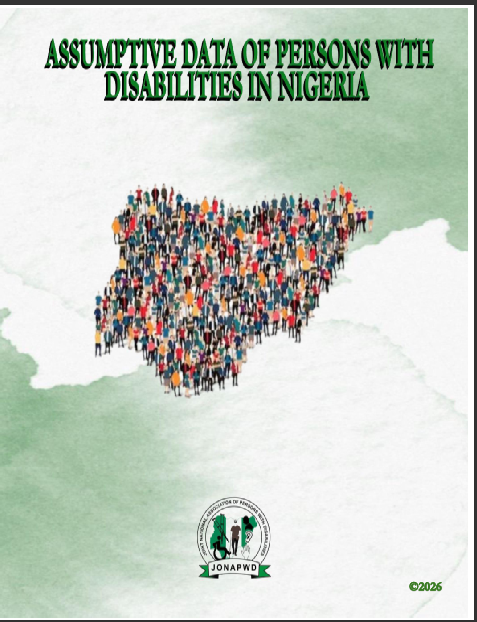
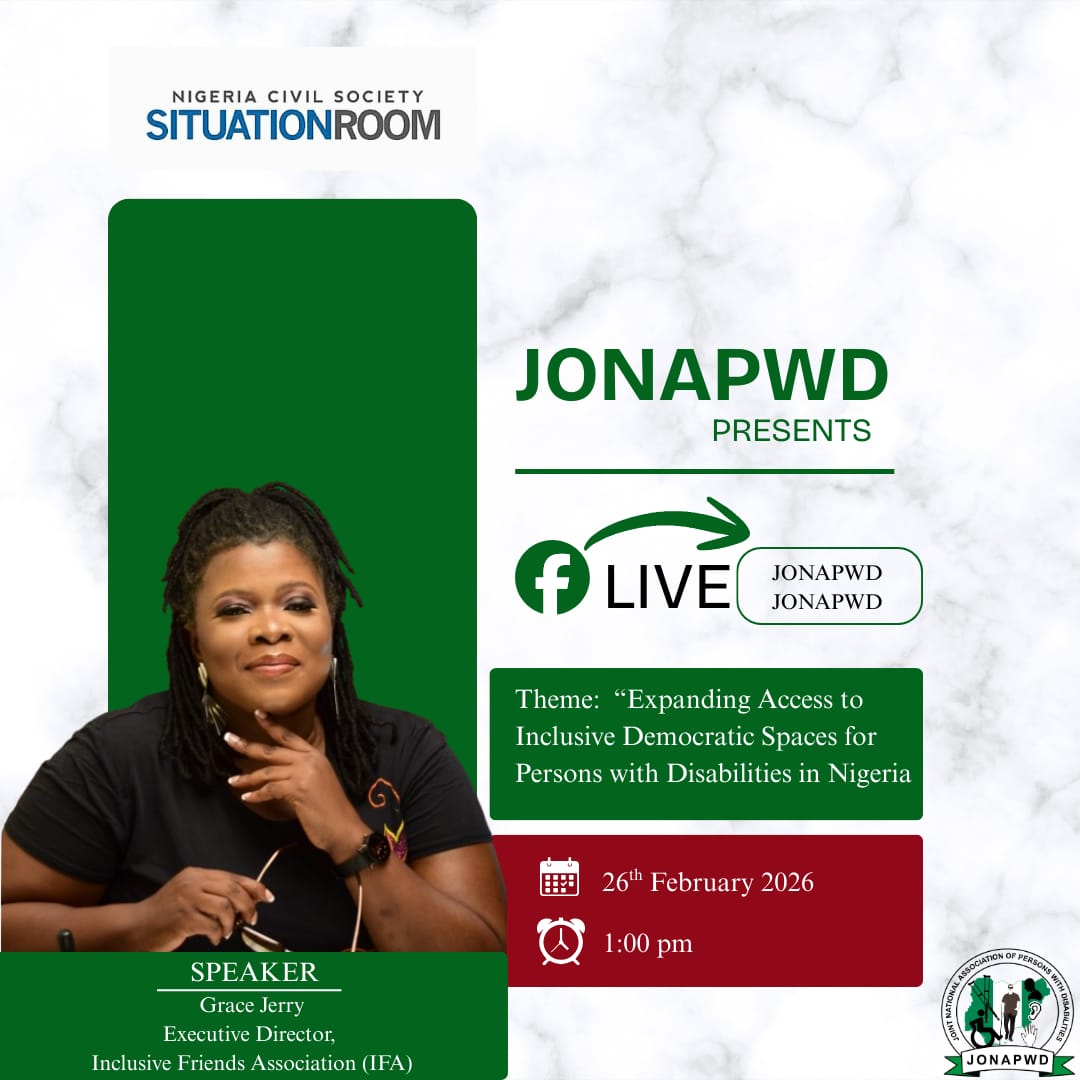
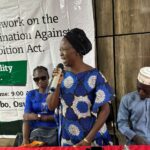
The Joint National Association of Persons with Disabilities (JONAPWD), Osun State chapter hosted a Capacity Building Training on Disability Inclusion in Osun State, a crucial step toward building a more equitable society.

Why does this matter?
– 15% of the global population are people with disabilities
– 80% of these live in low and middle income countries
– In some low and middle income countries, mortality rates for children with disabilities under 5 can be as high as 80%, even in countries where the overall mortality of children under 5 is less than 20%
These numbers aren’t just statistics; they reflect a gap in inclusion, care, and opportunity. Our goal is to ensure that disability inclusion becomes an integrated part of development, planning, and governance at all levels.
Inclusion is more than policy, it’s everyday practice. Whether you’re at work, in public, or building community, the way we interact matters.
Here are 8 simple but powerful etiquette tips to make your space more inclusive for people with disabilities:
1. Do not touch personal equipment (like wheelchairs or canes) they are part of someone’s personal space.
2. Do not victimise people with disabilities who are not suffering,” they’re living.
3. Do not assume what someone can or can’t do. Ask, don’t guess.
4. Adjust your posture to eye-level when speaking to someone in a wheelchair it’s respectful.
5. Make eye contact to acknowledge the person, not just their caregiver or companion.
6. Ask before helping what you think is helpful might not be.
7. Don’t underestimate abilities, disability is not inability.
8. Speak to the person directly, not through a caregiver, interpreter, or companion.
Inclusion starts with awareness.
Which of these did you already know and which one surprised you. You can add yours too.