The momentum for inclusive development continues as disability rights advocates and mentees convened for Day 1 of the Two-Day Second Contact Training on Advocacy Engagement under the Rights in Action (RIA) Project. Convened by the Joint National Association of Persons with Disabilities (JONAPWD) in collaboration with the Inclusive Friends Association (IFA) and supported by CBM Global Disability Inclusion and the Governement of Finland.
The training provided a strategic platform for strengthening advocacy capacity and advancing inclusive policy engagement.
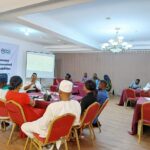
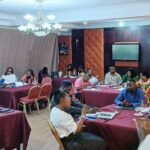
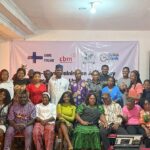
The engagement began with expectation-sharing sessions that created space for participants to reflect on their advocacy priorities, lived realities, and learning needs. This reflective start set the tone for technical sessions focused on understanding power structures, navigating public policy processes, and applying Political Economy Analysis (PEA) to strategic advocacy.
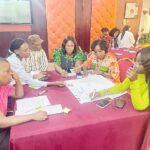
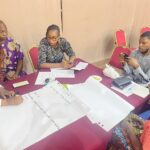
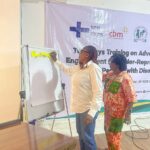
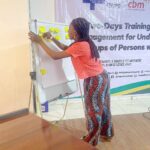
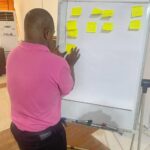
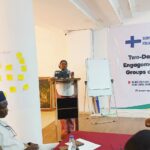
Participants explored how influence flows within governance systems and how advocates can leverage research, alliances, and media engagement to shape inclusive policy outcomes. The presence of Mr. Sulayman Adulmumuni Ujah, the Disability Inclusion Advisor for CBM Global Disability Inclusion, further highlighted the importance of expert guidance in ensuring that disability perspectives are integrated into programmes and decision-making frameworks.
Discussions also acknowledged the realities of policy implementation within governance systems.
Challenges such as limited access to decision-makers, bureaucratic delays, and competing political priorities were identified as barriers to change. However, facilitators emphasised the need for persistence, strategy, and evidence-based engagement in overcoming these obstacles.
A major highlight of the session was the emphasis on advocacy entry points and the policy cycle.
Participants were guided to begin advocacy journeys with clear problem identification supported by documented lived experiences and credible research. Agenda setting through community mobilisation and media campaigns was encouraged as a way to elevate disability issues to government priority status.
Stakeholder consultations, participation in public hearings, and submission of position papers were identified as critical pathways for influencing policy formulation and adoption. At the same time, continuous monitoring, evaluation, and review were stressed as necessary steps to ensure implementation and measurable impact
Another key theme was power dynamics in advocacy, including the role of formal authorities, bureaucratic systems, traditional institutions, economic actors, civil society organisations, and media influencers.
Participants were encouraged to map stakeholders strategically, build alliances with gatekeepers, and anticipate resistance from interests that may benefit from the status quo.
In recognition of Women’s Month, the training also celebrated the contributions of women to inclusive development and social transformation, reinforcing the importance of intersectional advocacy approaches.The session was further enriched by powerful reflections from facilitators and participants, including:
“You cannot just wake up one day and carry out advocacy; you must understand the structure and the process.” Aver Akighir, Executive Director for Hope Alive Initiative
“If you keep doing one thing for years without results, you must change your tactics and think differently.” —Aver Akighir, Executive Director for Hope Alive Initiative.
The training continues to equip Organisations of Persons with Disabilities (OPDs) and mentees with the strategic tools needed to move beyond participation toward purposeful policy influence. It reaffirmed that effective advocacy is not only about raising voices but about understanding systems, navigating power relations, and sustaining collective action to achieve lasting inclusion.