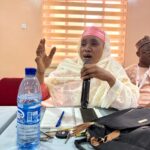
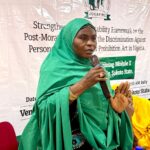
Currently in Sokoto for our Capacity Building Training.
One of the most enlightening discussions so far has centered around the role of language in how we refer to persons with disabilities.
In Hausa, commonly used terms like Kuturu (leper), Makaho (blind person), and Gurgu (lame/crippled) have been identified as derogatory and dehumanizing.
In response, the community has collectively adopted a more respectful and inclusive term:
“Masu Bukata ta Musamman” — meaning people with special needs.
A key takeaway: we must never define individuals by their disabilities.
For example, rather than saying “Amina gurguwa” (Amina the cripple), we simply say “Amina.”
Her name and identity come first—not her condition.
We’d love to hear from you:
How do you say “persons with disabilities” in your own language?
Is the term respectful or could it be improved?
Are there newer, more inclusive expressions gaining acceptance in your community?
Let’s continue learning together and work toward building a more inclusive society for all.