From Invisibility to Inclusion: Rebuilding Gender-Based Violence (GBV) Referral Pathway for Women with Disabilities in Nigeria
For too long, women and girls with disabilities in Nigeria have navigated gender-based violence (GBV) in silence, excluded not only by stigma but by systems that were never designed to include them.
They arrived at referral centers that they could not physically access.
They sought help from service providers unequipped to communicate with them.
They faced justice systems that did not recognize or respond to their realities.
In effect, they were present, but invisible.
This project, implemented by the Joint National Association of Persons with Disabilities (JONAPWD) with funding support from Canadian Funds for Local Initiative (CFLI), set out to change that reality by transforming how GBV referral pathways are designed, delivered, and sustained.
At its core was a simple but powerful principle: inclusion must be intentional.
- Rather than treating women with disabilities as passive beneficiaries, the project positioned them as leaders and co-creators. They shaped the accessibility audit tools, drawing directly from lived experiences, highlighting barriers that data alone often fails to capture, such as inaccessible entrances, a lack of sign language interpretation, dismissive attitudes, and unsafe reporting environments.
The findings were evident. Across referral centers in Abuja and Lagos, critical gaps in infrastructure, communication, and service delivery were reflected in the findings. But more importantly, these findings created a shared moment of accountability.
And from that moment, action followed.
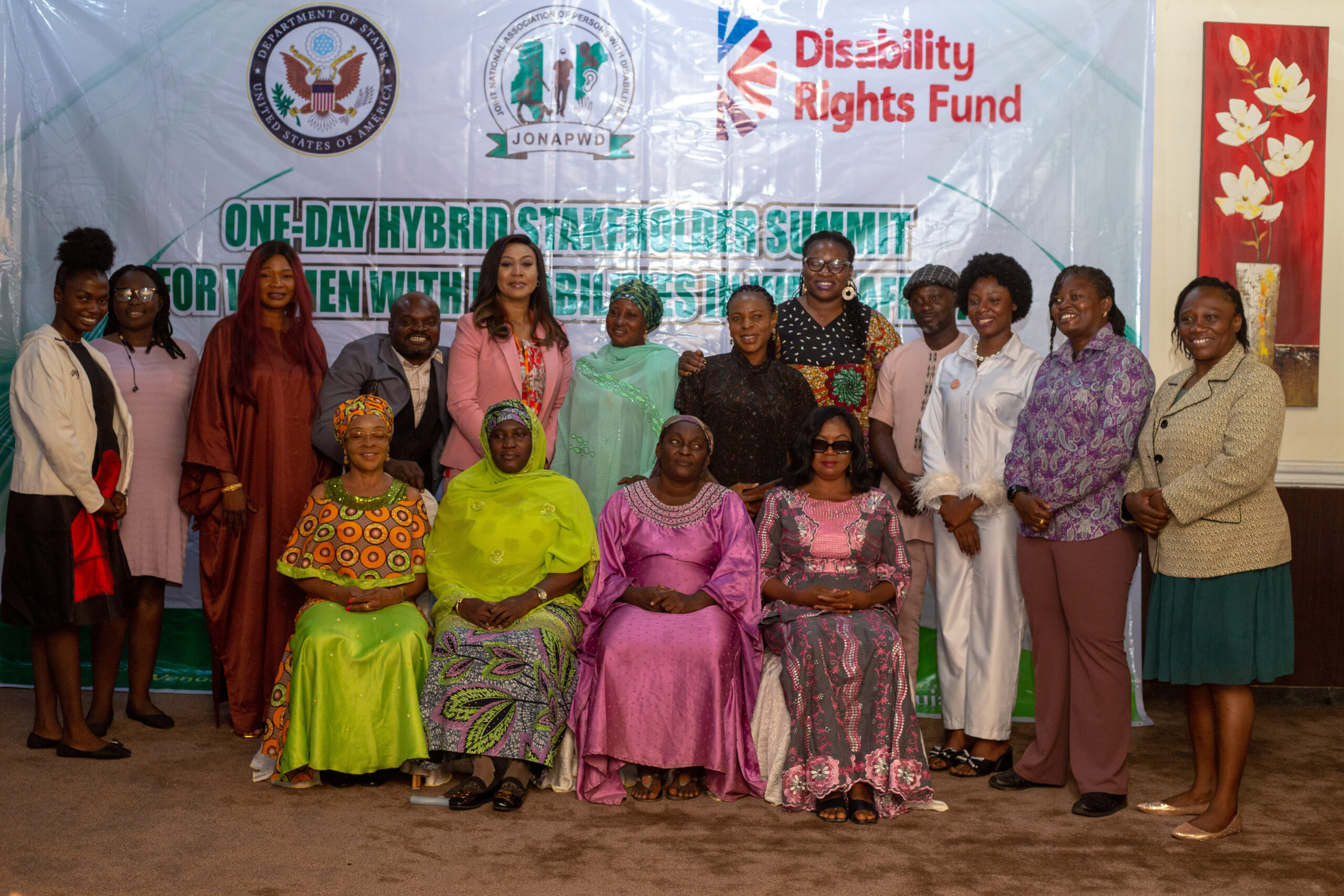
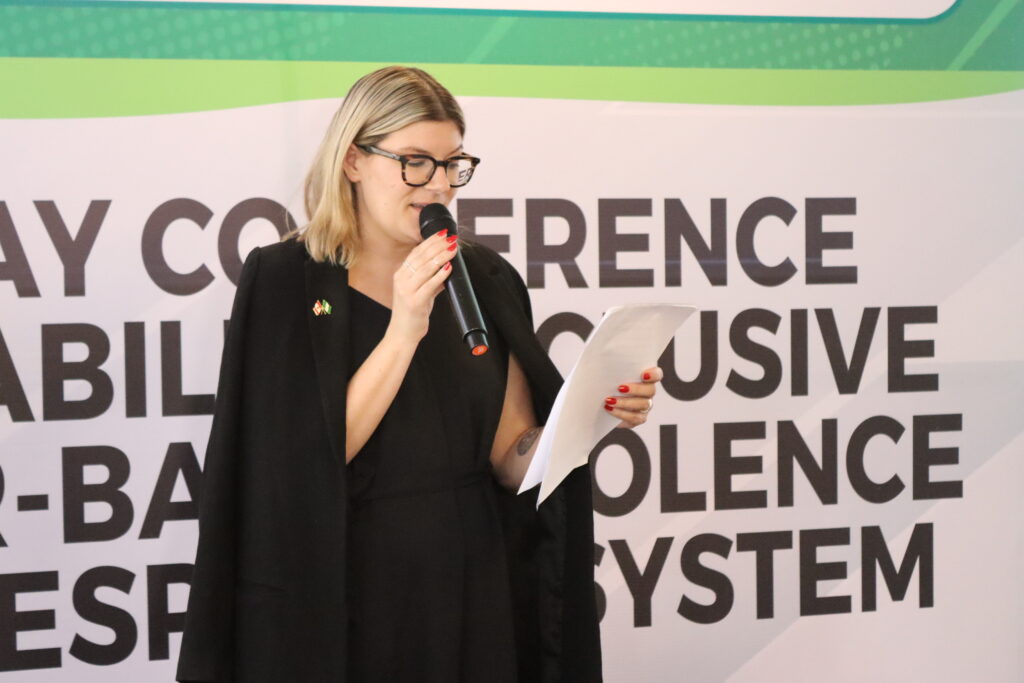
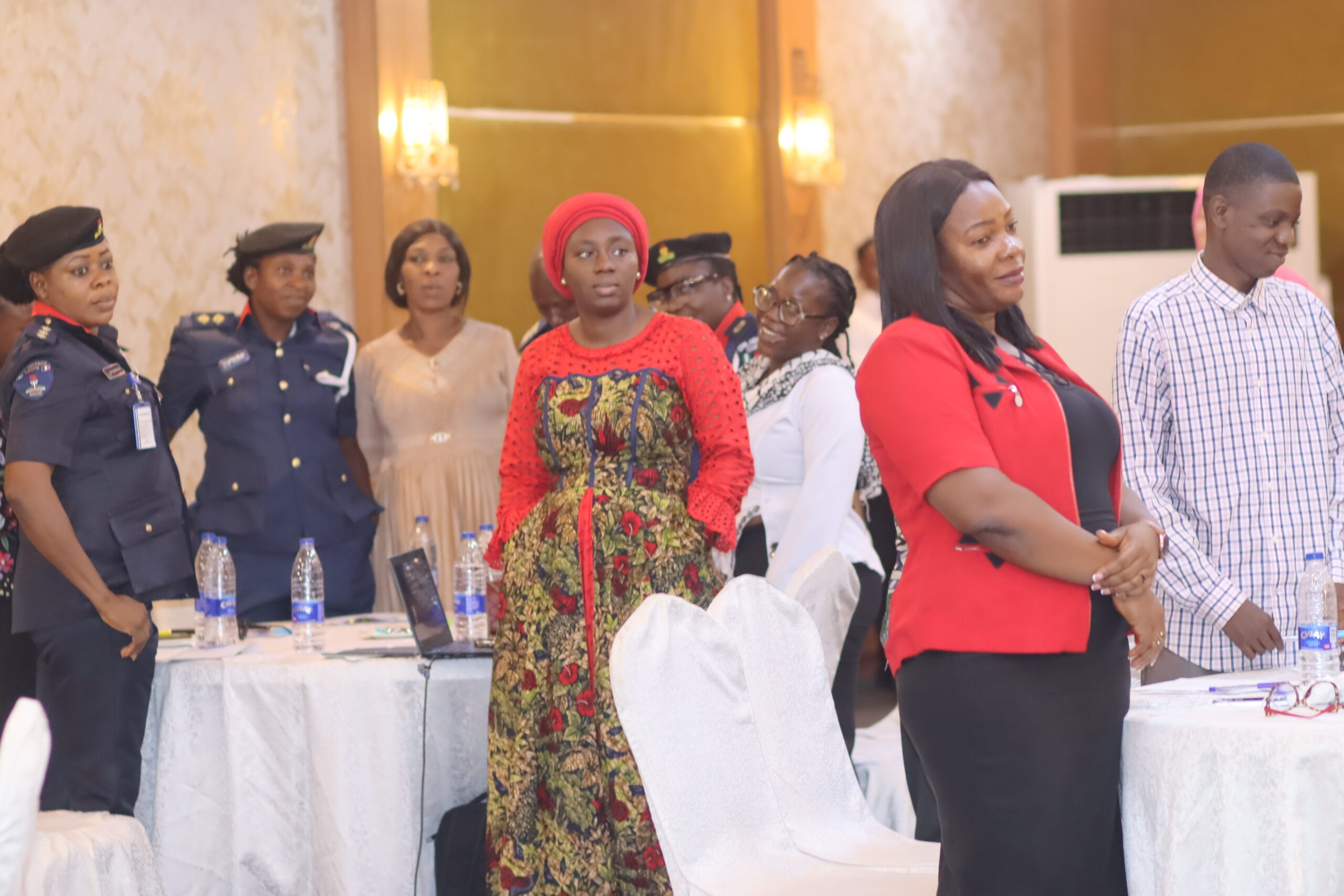
- Through national convenings and targeted engagements, GBV actors across sectors, government institutions, security agencies, healthcare providers, and civil society began to rethink their roles. The question was no longer whether inclusion was necessary, but how quickly it could be achieved.
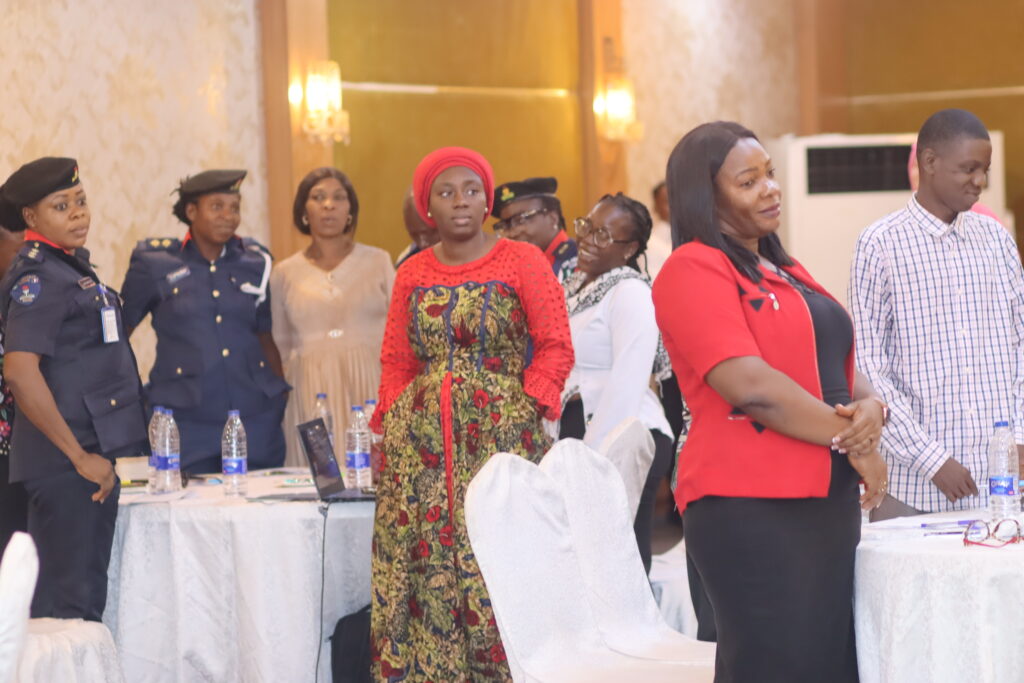
Concrete shifts emerged:
- Referral centers initiated structural modifications to improve physical access (2 out of the audited 13 referral centers made provision for physical accessibility – Ramps, and one of the facilities is conducting a complete facility restructure).
- Security personnel utilized their training by integrating sign language into their operations.
- Government stakeholders are committed to strengthening institutional frameworks, including Disability Desks and inclusive protocols.
- Improved signage within the facilities
- Communication Accessibility (website and social media)- photo description, alt text, languages, and closed caption.
- Extension of referral services intervention: Inclusion of schools for children with disabilities in Safe Kids Awareness and Prevention (SKAP) Programmes
- Service providers adopted more survivor-centered and trauma-informed approaches tailored to diverse disability experiences.
Critically, the creation of the Coalition of GBV Responders established a coordinated platform for sustained collaboration, accountability, and systems reform, marking a transition from isolated efforts to a unified movement for inclusion.
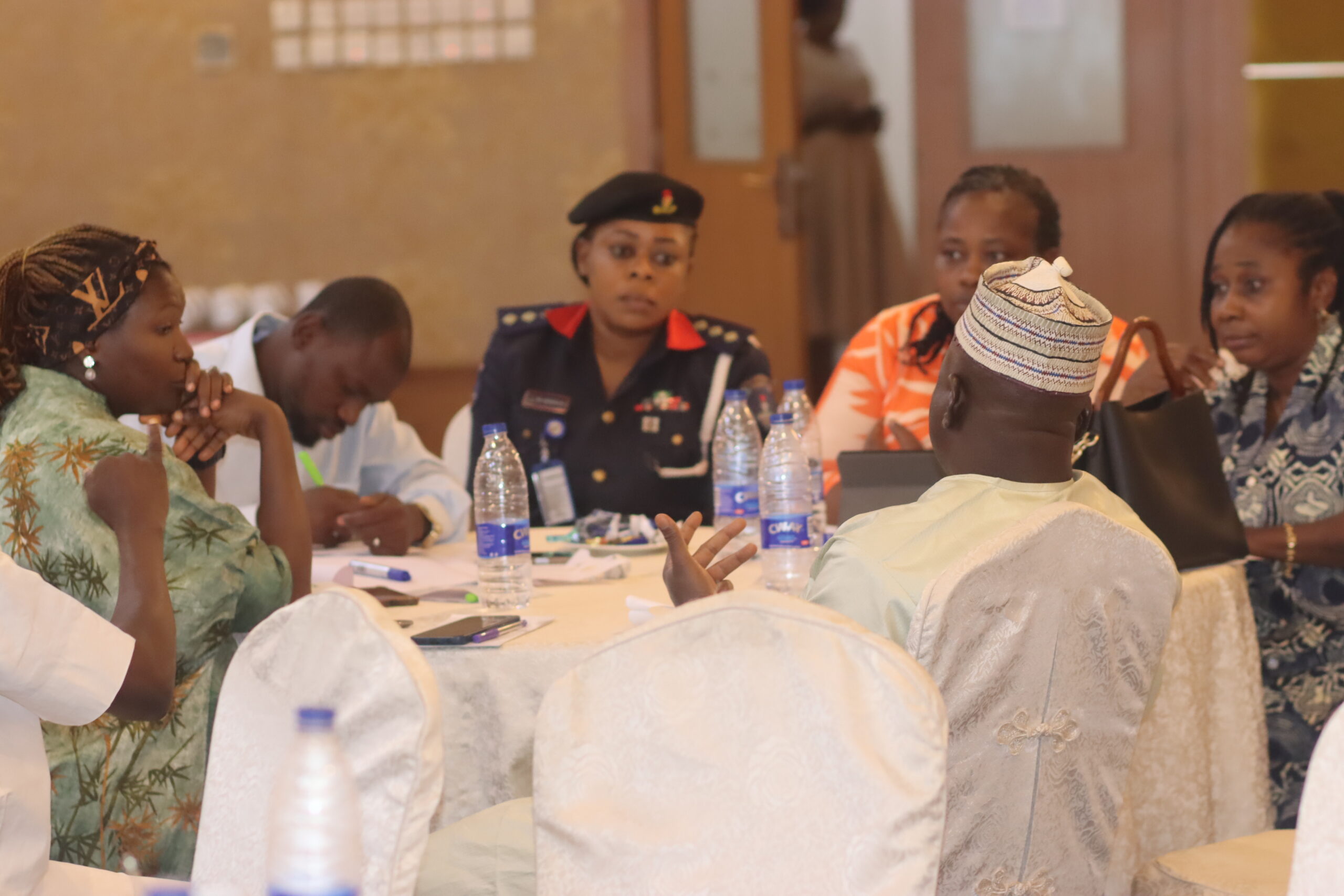
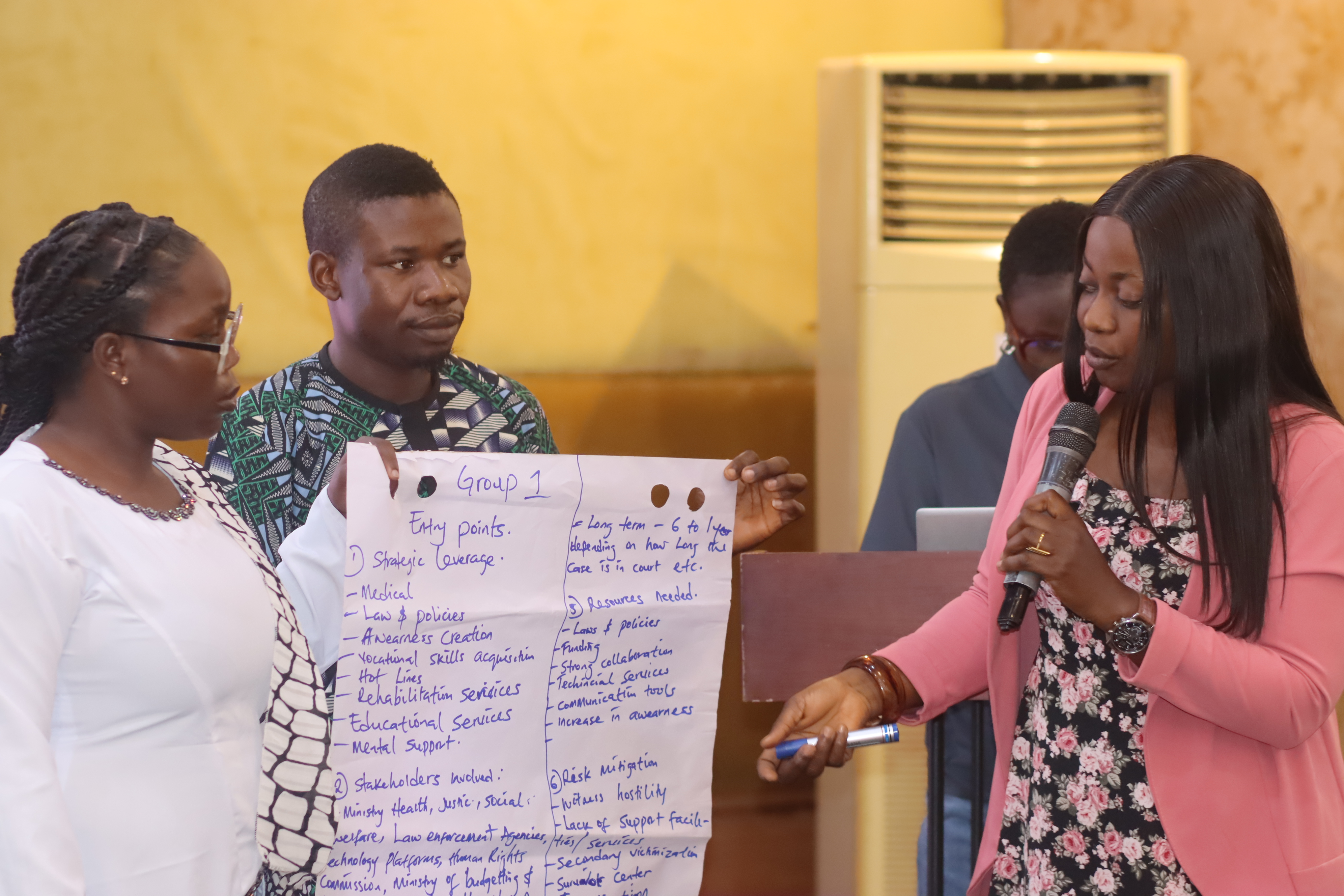
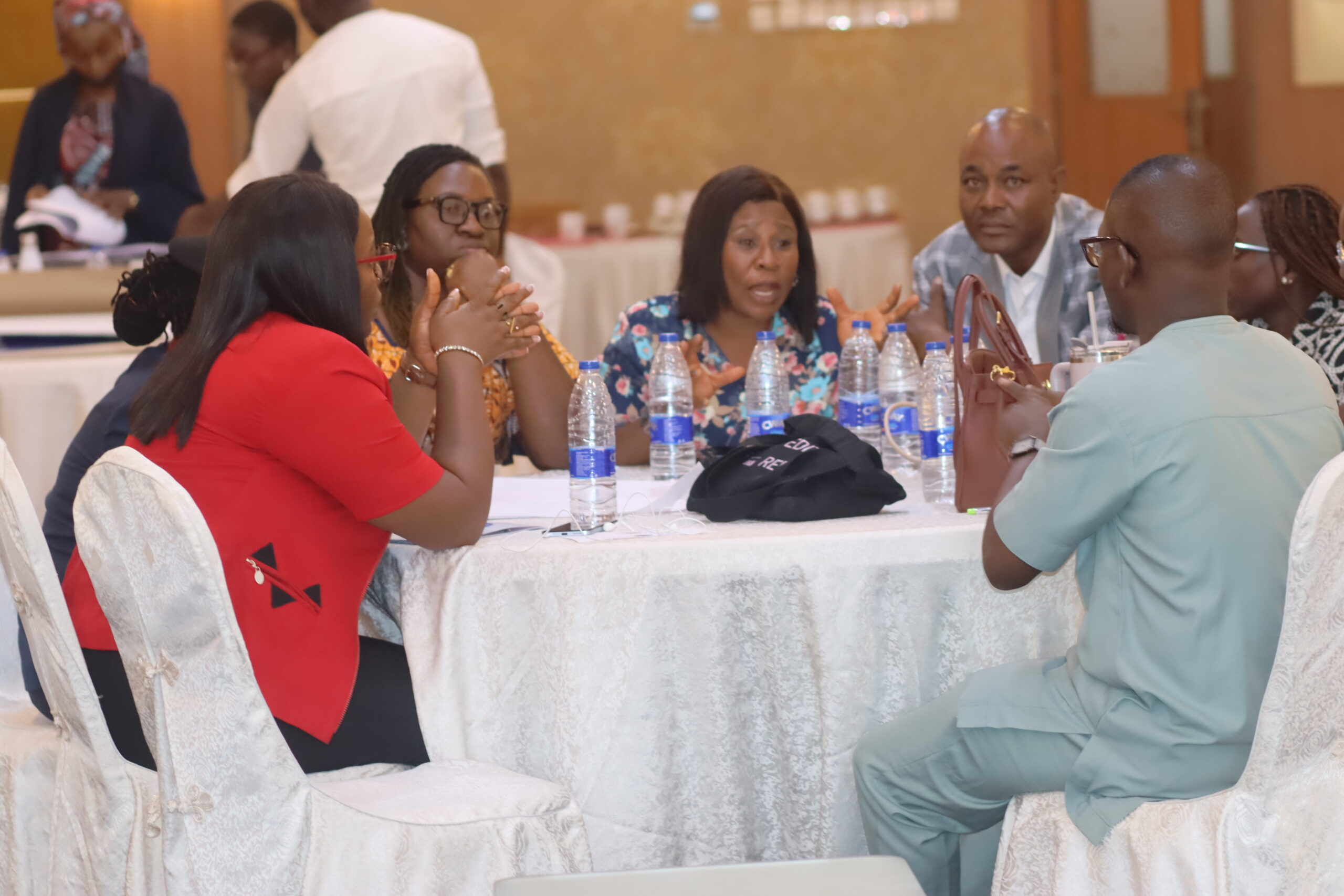
Beyond institutions, the project also shifted public discourse.
- Through sustained radio programming and digital advocacy, conversations around GBV and disability moved into the mainstream, challenging harmful stereotypes, reducing stigma, amplifying voices that have historically been excluded, and improving awareness of GBV referral pathways.
This is where the true impact lies: not only in improved infrastructure or increased awareness, but in a fundamental shift in how systems see, hear, and respond to women with disabilities.
Today, while systemic barriers remain, the trajectory has changed.
GBV referral pathways are evolving from fragmented and exclusionary structures to more inclusive, responsive, and rights-based ecosystems. Women and girls with disabilities are no longer on the margins; they are shaping the systems meant to serve them.
For development partners, policymakers, and practitioners, this project offers a clear lesson:
Inclusive systems do not happen by chance; they are built through deliberate action, sustained collaboration, and the leadership of those most affected.
And for women and girls with disabilities across Nigeria, this transformation signals something long overdue:
Not just access to services, but recognition, dignity, and the right to be fully seen and heard.