Is Education Truly Inclusive If the Classroom Itself Creates Barriers?
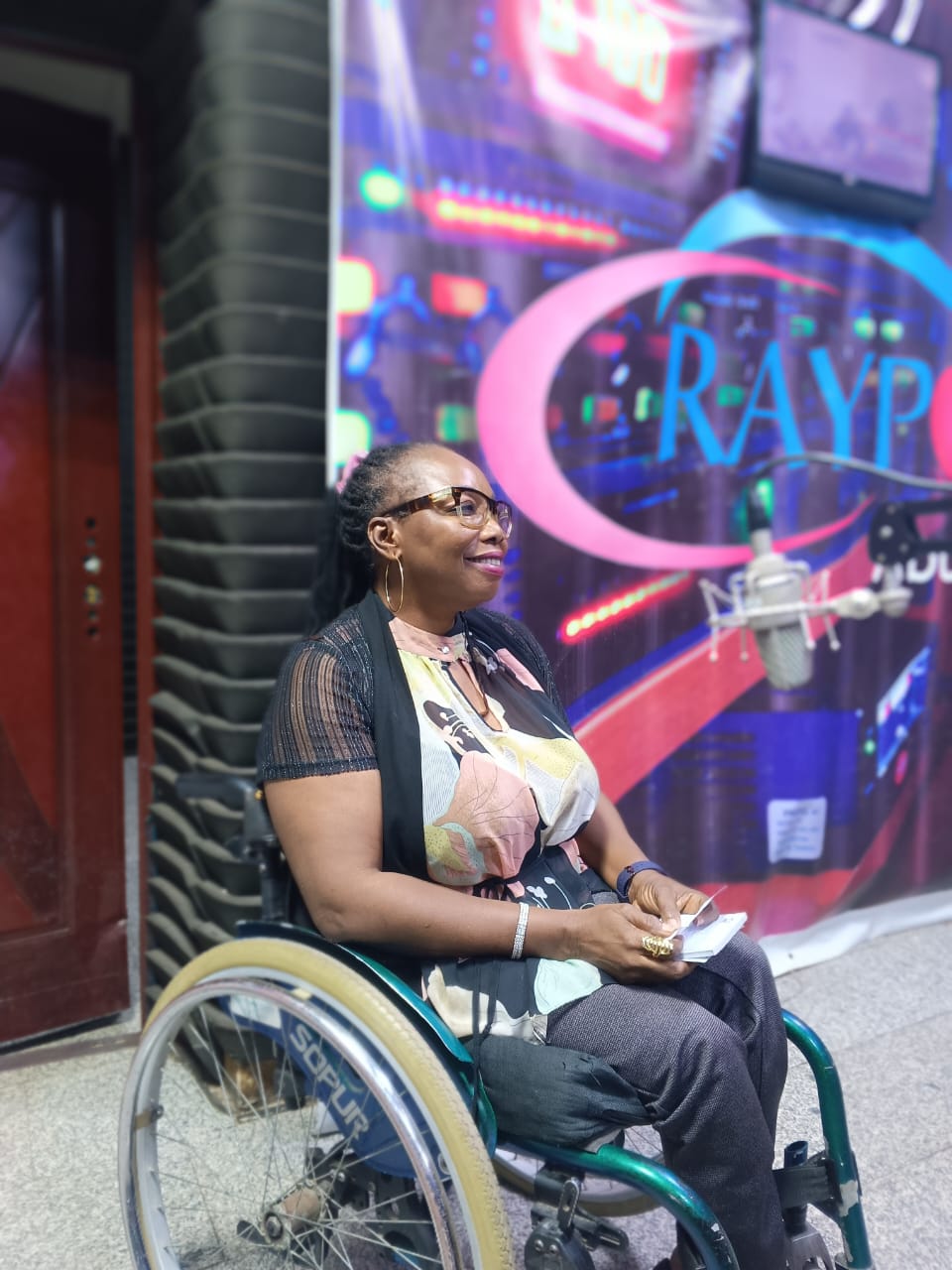
In Nigeria today, many students with disabilities are in school but still face obstacles that stop them from learning; such as tables that are too high, rooms that are too crowded, and facilities designed without them in mind.
Picture this:
A bright, determined student in a wheelchair joins his classmates in the science lab. He is ready to experiment, eager to learn. But the lab table towers above his reach, and the space is too tight to move freely. Not because of his ability, not because of his effort, but because the environment was never built with him in mind
According to Nigeria’s Disability Act Section 18 and Article 24 of the UNCRPD, “Education must be inclusive and physically accessible from classrooms to equipment so every student can learn on equal terms.
YOUR TURN: Let’s talk.
What is one change schools should make to ensure students with disabilities can fully participate?
Share your thoughts because accessibility is not optional; it is a right.