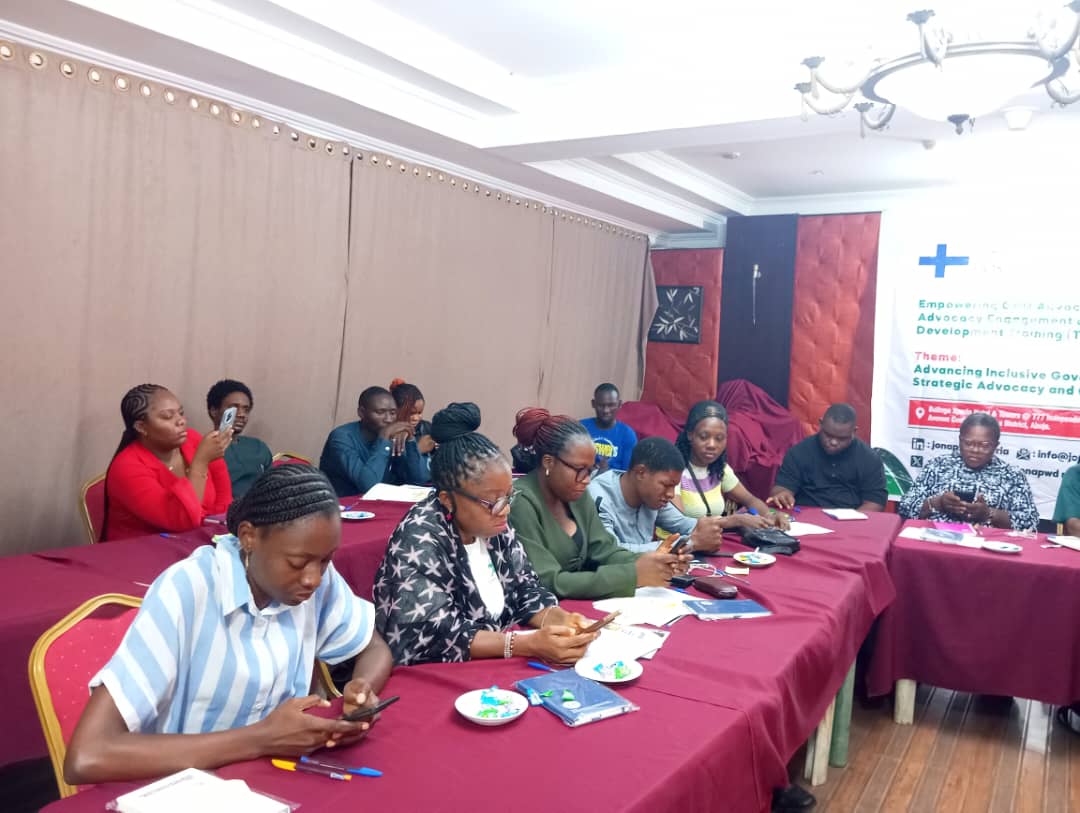
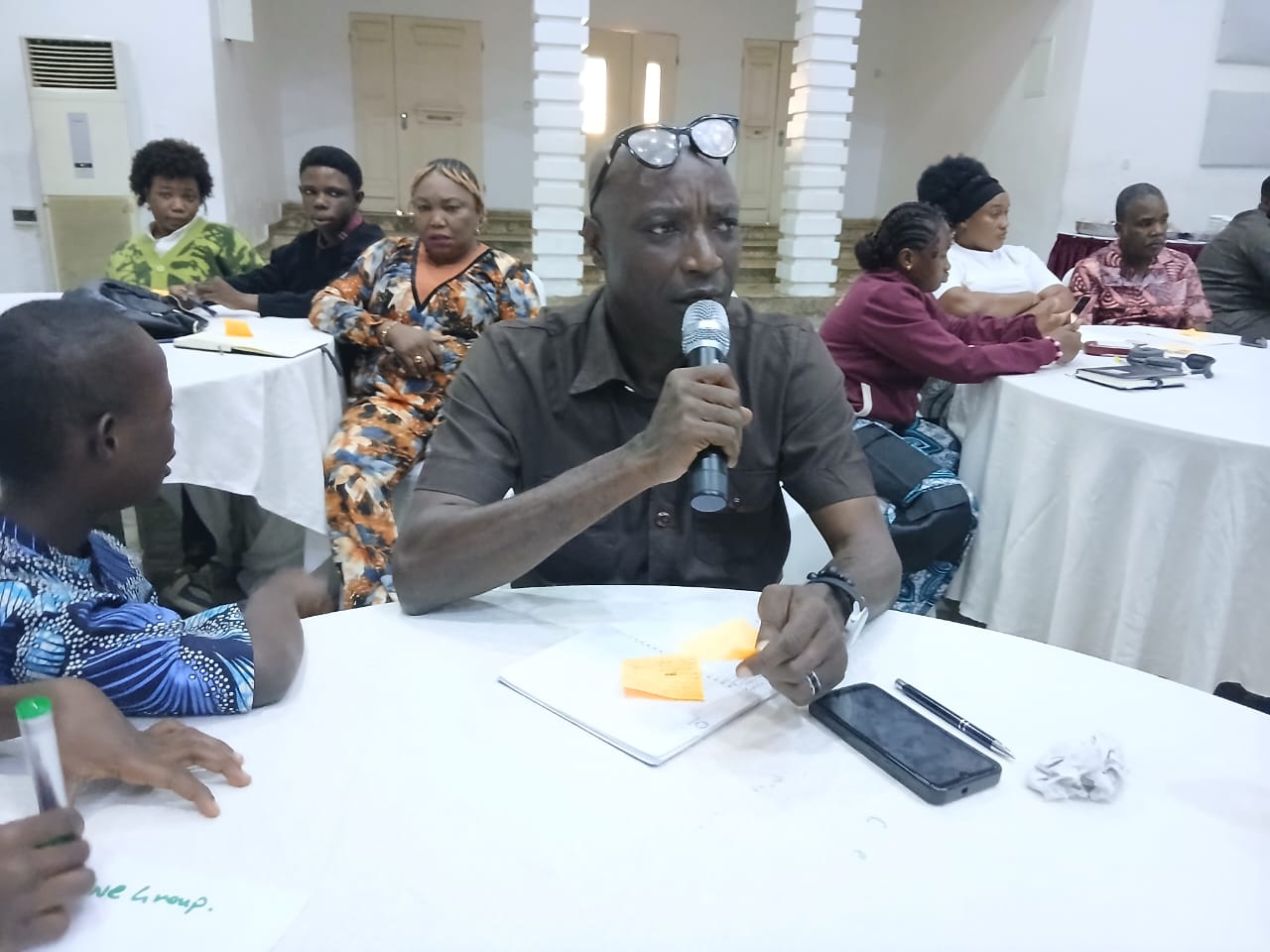
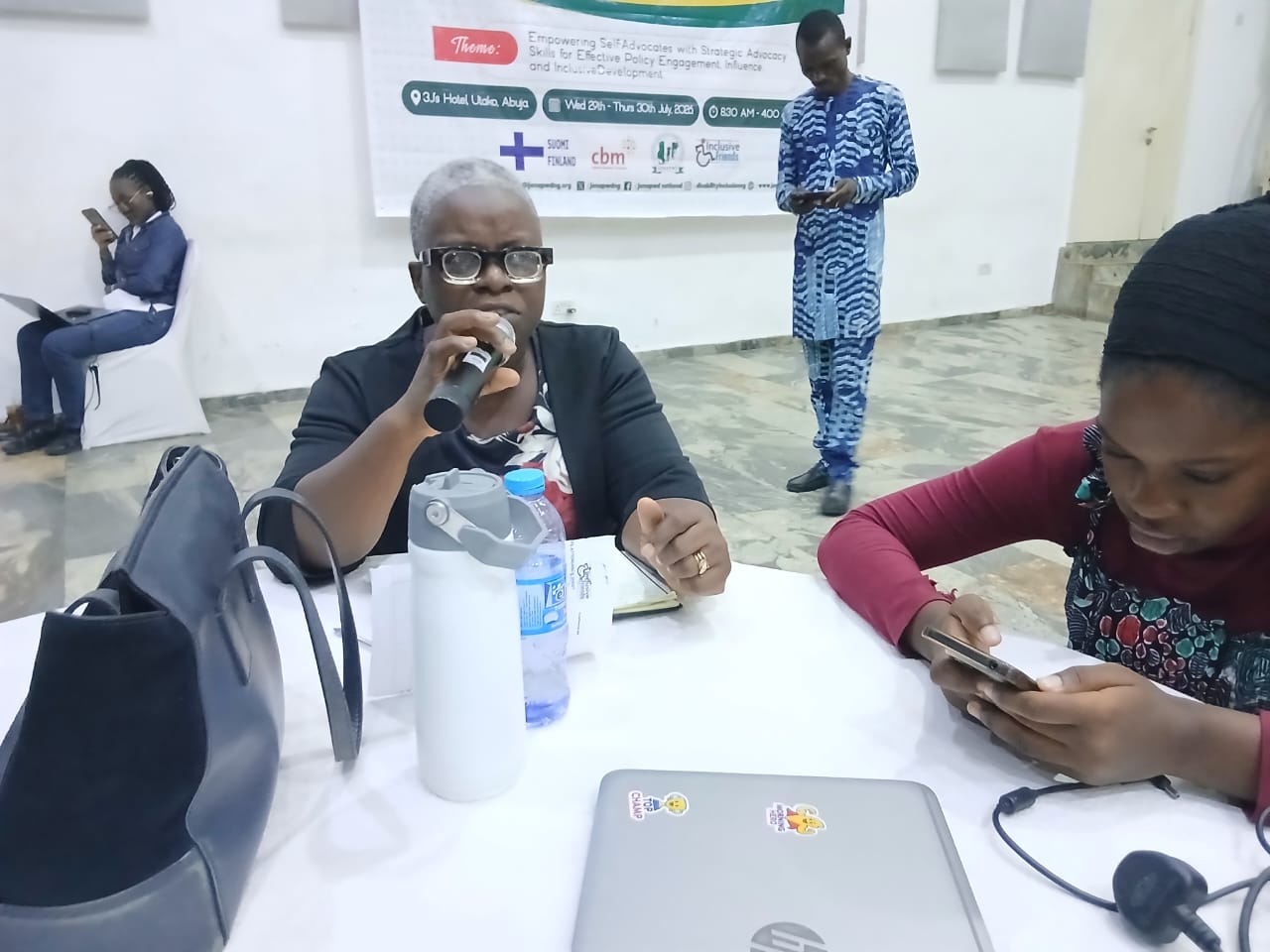
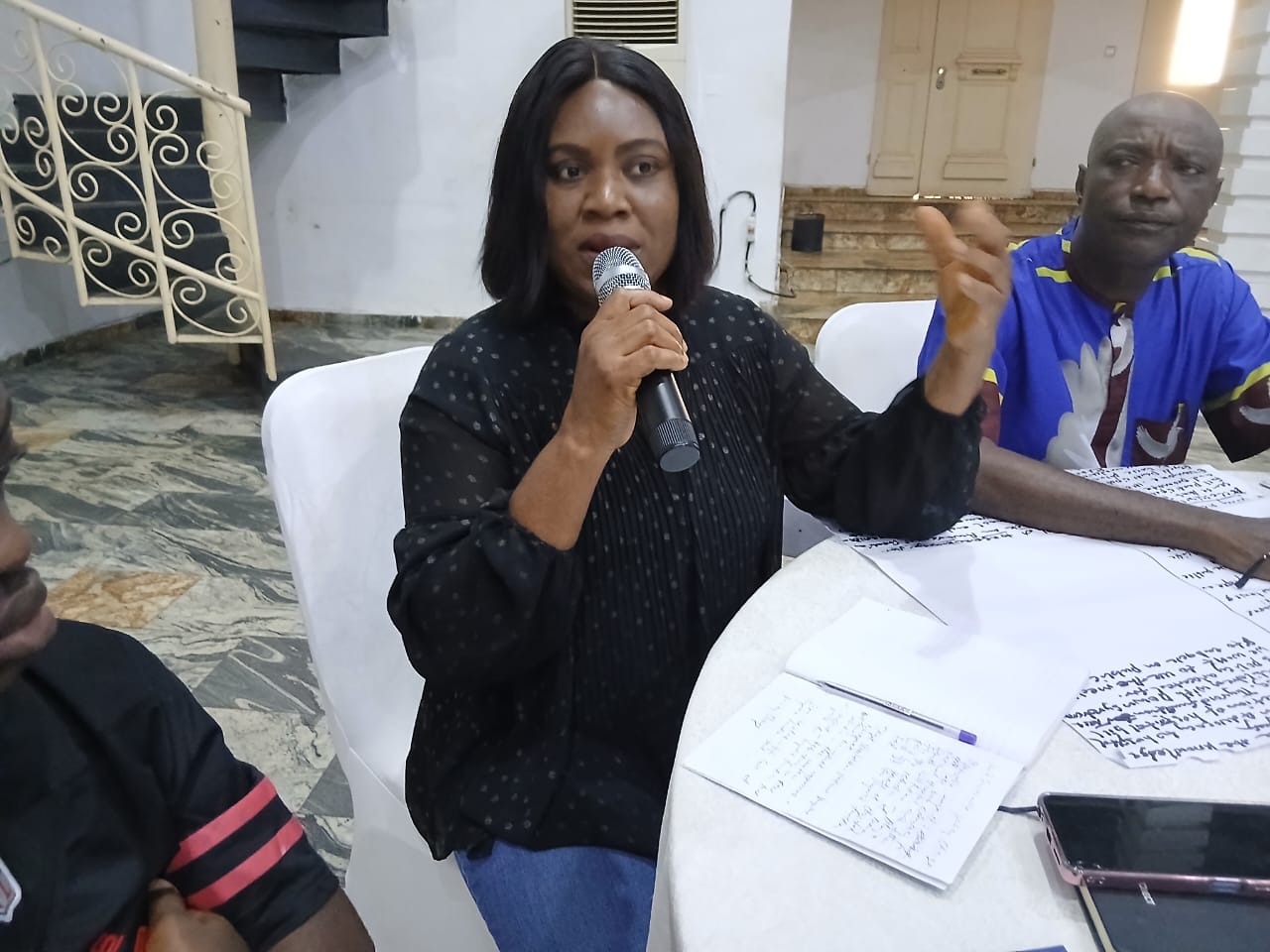
For advocacy to influence public policy, it must evolve beyond awareness campaigns into a disciplined process of generating evidence, mobilising partnerships, and translating lived realities into measurable policy outcomes. This philosophy shaped the recently concluded two-day Rights in Action (RiA) Advocacy Workshop, organised by the Joint National Association of Persons with Disabilities (JONAPWD) with support from the Embassy of Finland in Nigeria and CBM Global Disability Inclusion.
The workshop was intentionally designed as a collaborative learning ecosystem rather than a conventional training. Participants collectively examined how disability advocacy can become more strategic, evidence-driven, ethically grounded, and capable of influencing institutional decision-making at local, state, and national levels.
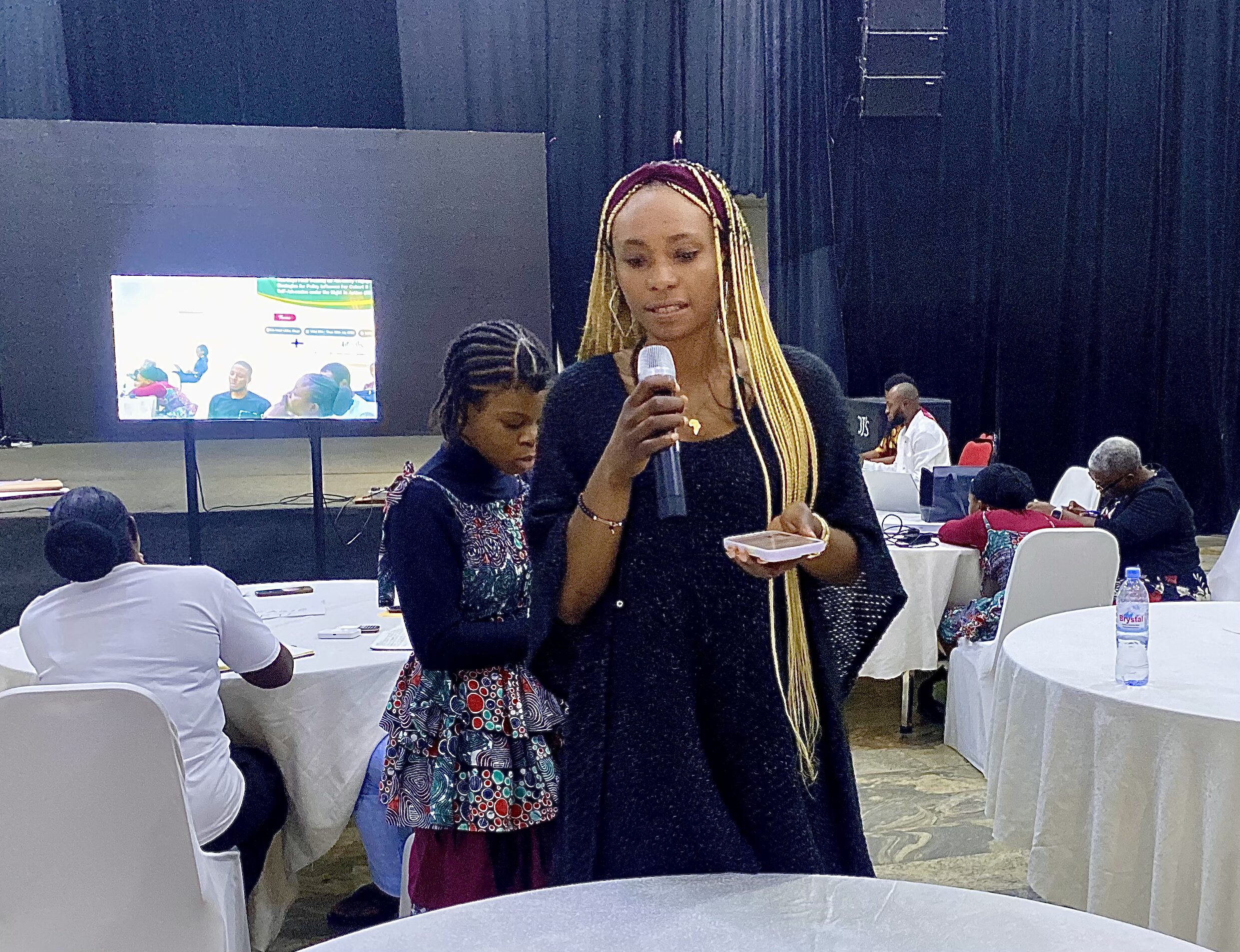
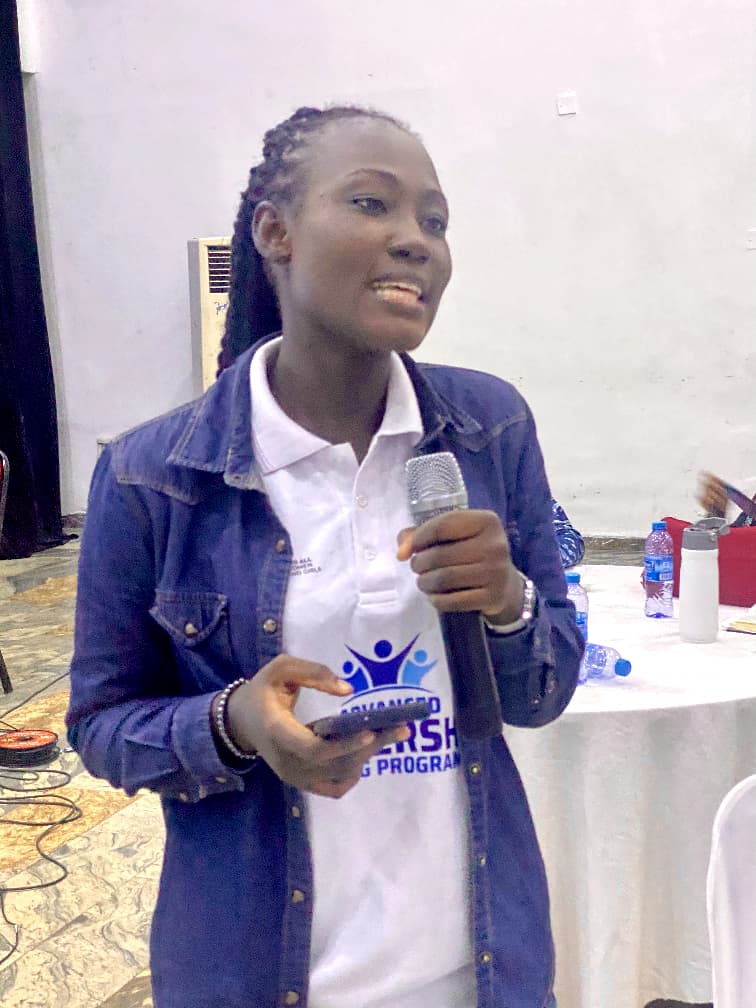
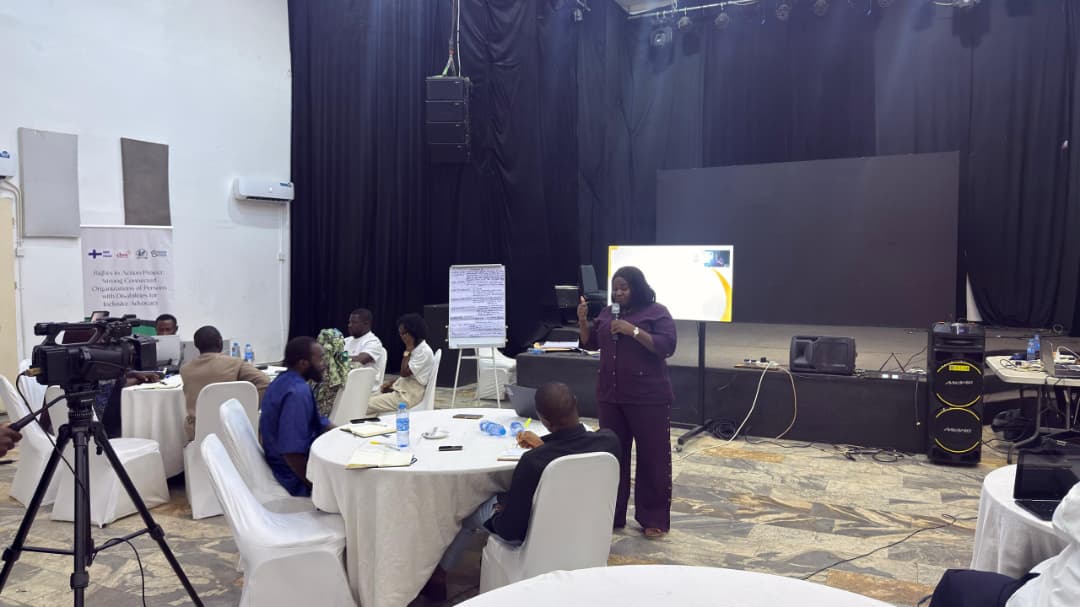
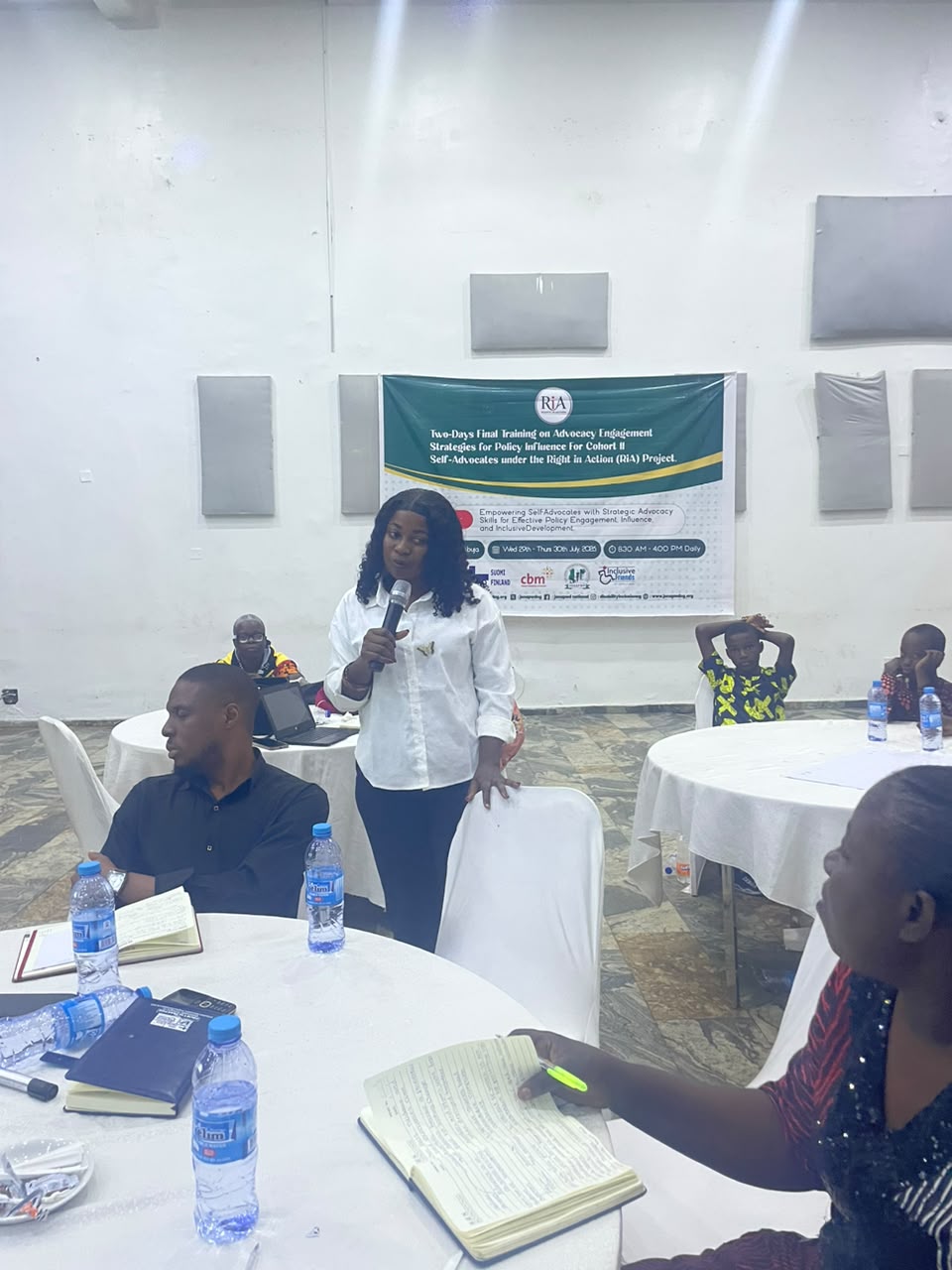
Rather than treating advocacy as isolated campaigns, the workshop positioned it as a system of interconnected actions where research, partnerships, communication, safeguarding, and policy engagement reinforce one another to produce sustainable social change.
Reframing Advocacy as a Systems Intervention
Across both days, facilitators challenged participants to rethink advocacy from the perspective of systems change.
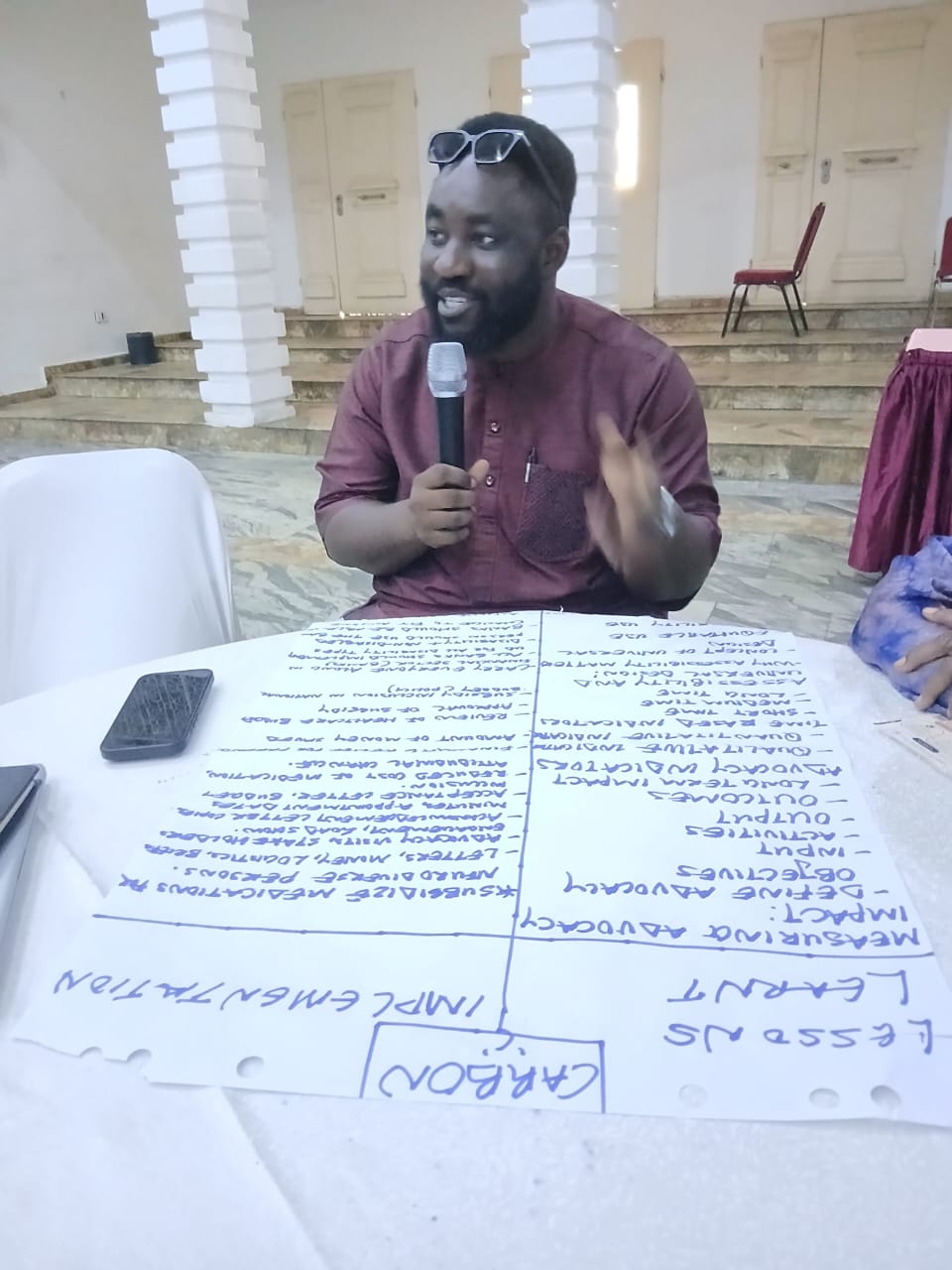
Discussions explored how advocacy succeeds when it addresses governance structures instead of isolated symptoms. Participants examined practical approaches for identifying policy windows, mapping power dynamics, analysing stakeholders, developing advocacy theories of change, and measuring impact beyond activity reporting.
Sessions equally emphasised that credible advocacy depends on the quality of evidence supporting it. Participants explored methods for integrating disability-disaggregated data, community experiences, outcome harvesting, media tracking, policy analysis, and ethical research practices into advocacy planning. The workshop repeatedly reinforced that strong evidence not only strengthens policy recommendations but also increases institutional confidence in disability-led advocacy initiatives. These themes were consistently reflected in participants’ post-training reflections, where they highlighted evidence-based communication, strategic stakeholder engagement, accessibility, collaboration, and safeguarding as central lessons from the workshop.
Building Collaborative Capacity for Policy Influence
A defining strength of the workshop was its emphasis on collaborative intelligence.
Participants did not merely discuss advocacy concepts, they collectively designed advocacy frameworks addressing real challenges from their communities. Through practical exercises, they developed outputs, outcomes, indicators, and long-term impact pathways for issues ranging from accessible transportation and inclusive education to sign language interpretation in public institutions, healthcare accessibility, and water and sanitation.
This practical approach demonstrated that sustainable disability inclusion requires coordinated action across multiple stakeholders, including government institutions, development partners, researchers, media professionals, community organisations, and persons with disabilities themselves.
By strengthening participants’ capacity to connect evidence with policy engagement, the workshop created a growing network of advocates capable of producing coordinated rather than fragmented advocacy efforts.
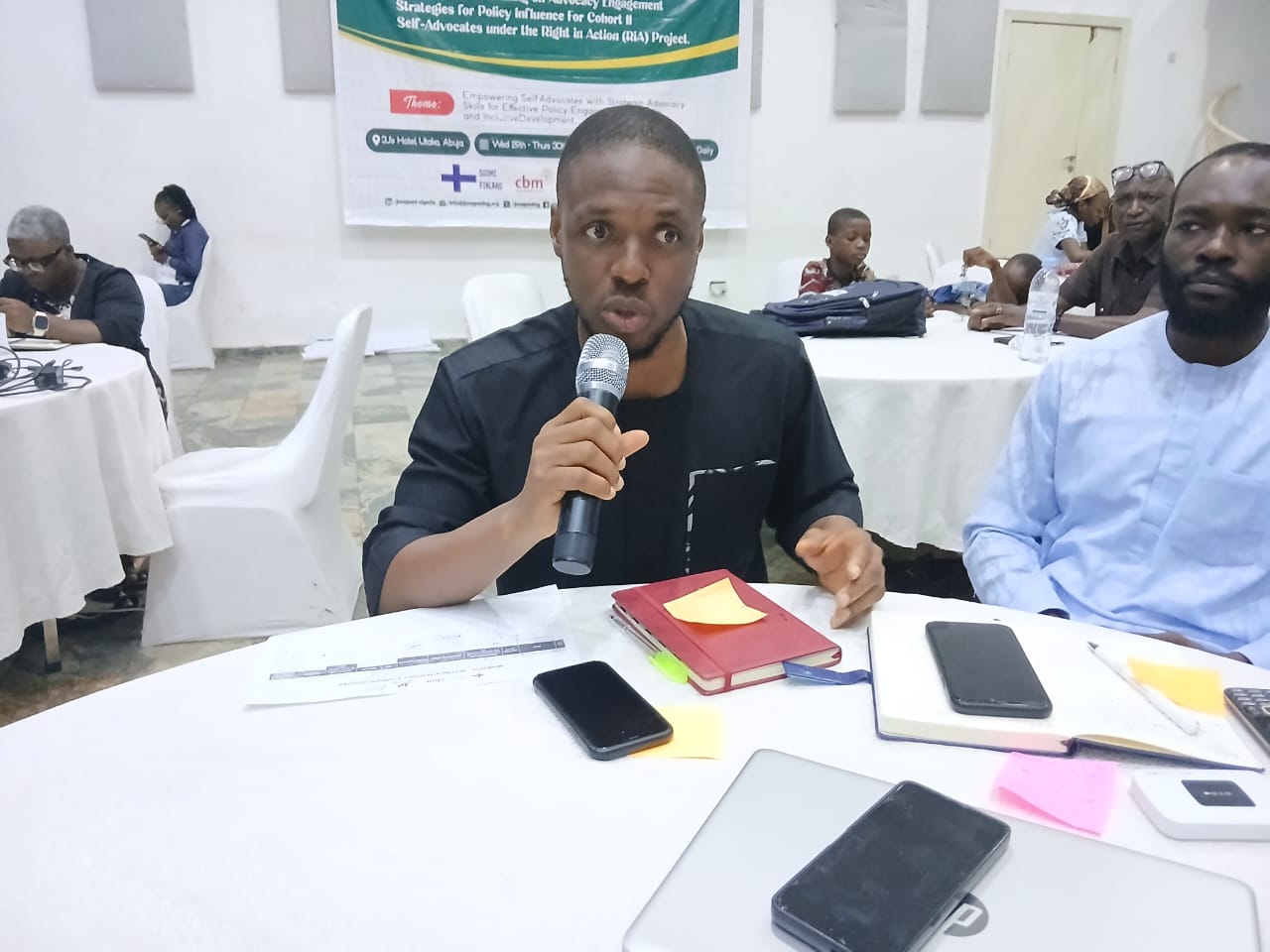
Four Perspectives That Redefined Advocacy
Several insights shared during the workshop captured the intellectual depth of the conversations. Among the most thought-provoking were:
“Numbers and stories work best when deployed together.”
This challenged participants to reject the false choice between statistics and lived experience, recognising that transformational advocacy requires both empirical evidence and human narratives.
“Reliable sources build undeniable campaign credibility.”
A reminder that advocacy gains influence when its recommendations are supported by verifiable evidence capable of withstanding policy scrutiny.
“Ethical research is non-negotiable for protecting rights.”
This reinforced that safeguarding, informed consent, confidentiality, and respectful engagement are not administrative requirements, they are foundational principles of rights-based advocacy.
“When facts, evidence, and lived experiences come together, advocacy becomes a powerful force for lasting change.”
Perhaps the defining message of the workshop, this statement encapsulated the collective vision that disability advocacy achieves its greatest impact when research, community voices, and strategic action operate as one integrated ecosystem.
Beyond Capacity Building: Creating an Advocacy Multiplier Effect
One of the workshop’s most significant achievements was its focus on replication.
Participants consistently expressed their commitment to applying the learning within their own organisations and communities, using ethical data collection, strengthening stakeholder engagement, ensuring meaningful participation of persons with disabilities, promoting safeguarding principles, and designing advocacy campaigns grounded in measurable evidence.
This represents more than individual learning.
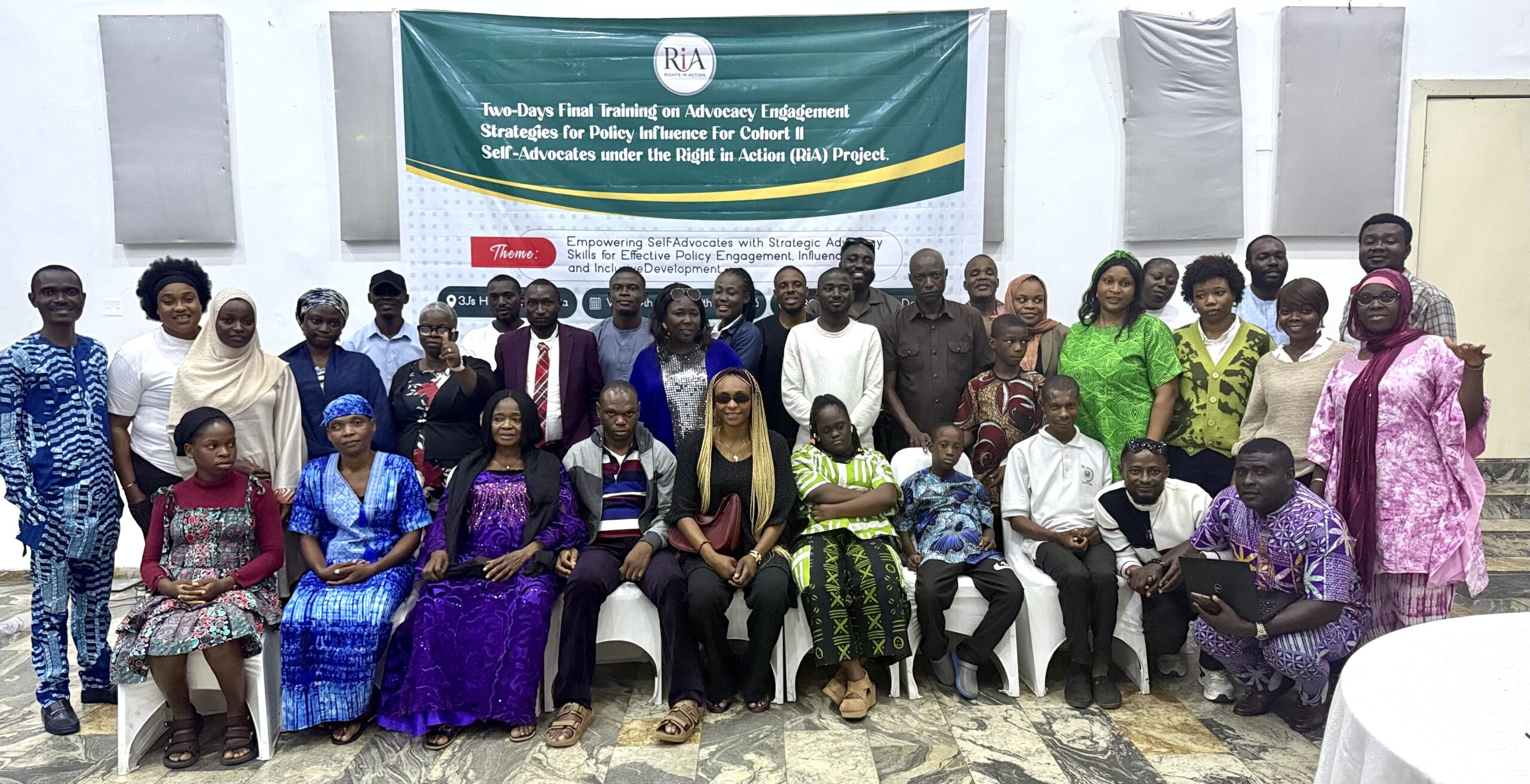
It creates an advocacy multiplier effect, where every trained participant becomes a catalyst for expanding disability-inclusive policy engagement within their respective constituencies.
As these advocates implement locally relevant campaigns informed by common methodologies and shared values, the collective influence of Nigeria’s disability movement becomes significantly stronger, more coordinated, and increasingly capable of shaping public policy.
The Rights in Action Workshop demonstrated that effective disability advocacy is no longer defined by the number of meetings held or awareness campaigns conducted.
Its true measure lies in the ability to generate credible evidence, build cross-sector partnerships, strengthen institutional accountability, and ensure that persons with disabilities remain central to every decision affecting their lives.
By investing simultaneously in technical knowledge, ethical practice, collaborative leadership, and practical advocacy design, the workshop has laid the groundwork for a more connected community of advocates equipped to transform local experiences into national policy influence.
As participants return to their organisations and communities, the conversations initiated during these two days are expected to evolve into coordinated actions, stronger partnerships, and sustained advocacy capable of accelerating the realisation of disability rights across Nigeria.