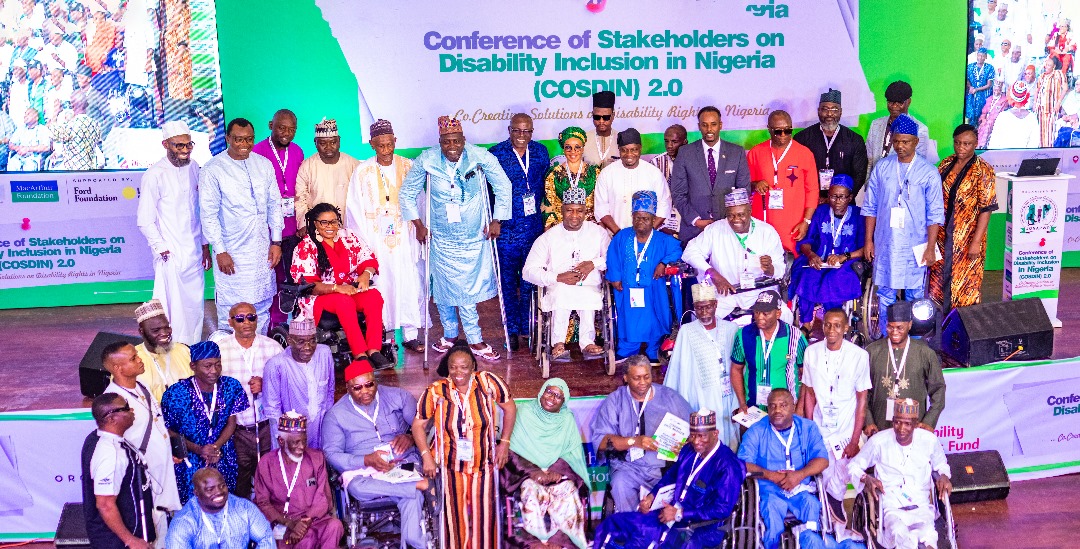
As part of the Inclusive Social Protection Project, the Joint National Association of Persons with Disabilities (JONAPWD) recently convened a follow-on Technical Capacity Strengthening Training for Directors, Assistant Directors, and Technical Staff of the Federal Ministry of Humanitarian Affairs. The training served as a strategic platform to assess progress, reinforce institutional accountability, and identify practical actions required to build a truly disability-inclusive social protection system in Nigeria.


A major highlight of the engagement was the Federal Ministry of Humanitarian Affairs and Poverty Reduction’s confirmation that the Policy on Marginalized Groups is currently under review. Importantly, the National Commission for Persons with Disabilities is actively participating in the process to ensure that disability inclusion is comprehensively reflected within the policy framework. This collaborative approach signals a growing commitment to mainstreaming disability rights within national development policies.
Another significant development shared during the training was the Ministry’s decision to adopt the Washington Group Questions (WGQ) during the ongoing review of the National Social Register. The inclusion of the WGQ is expected to improve the identification and registration of persons with disabilities while strengthening the collection of disability-disaggregated data. By enhancing data accuracy, the initiative will help reduce exclusion errors and ensure that social protection programmes reach those who need them most.


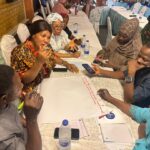

Participants also explored key strategies for advancing disability inclusion across social protection programmes. Discussions emphasized the need for disability-inclusive budgeting, accessible programme design, robust disability-disaggregated data collection, and structured engagement with Organizations of Persons with Disabilities (OPDs). These measures were identified as critical to strengthening inclusion and improving the effectiveness, reach, and impact of social protection interventions nationwide.
The Ministry further reaffirmed its commitment to meaningful participation and representation of Organizations of Persons with Disabilities in policy development and programme implementation. Officials shared practical examples of reforms and improvements already introduced across departments and programmes, demonstrating both institutional learning and tangible progress toward more inclusive service delivery.
Speaking during the training, Mr. Sunday Hezekiah, Director of the Special Needs Department, underscored the importance of disability inclusion in achieving the Sustainable Development Goals (SDGs) and fulfilling the Agenda 2030 commitment to Leave No One Behind. He emphasized that deliberate efforts must be made to remove barriers and create opportunities that recognize persons with disabilities not only as beneficiaries of development but also as active contributors to national progress.
The engagement represents another important milestone in the ongoing partnership between government institutions and the disability community. As Nigeria continues to strengthen its social protection architecture, sustained collaboration, inclusive policymaking, and evidence-based interventions will be essential to ensuring that no person with a disability is left behind.
Through initiatives such as this capacity-strengthening training, the foundation is being laid for a more equitable, responsive, and inclusive social protection system, one that reflects the rights, needs, and aspirations of all Nigerians.