In August, a series of impactful advocacy initiatives have taken place across various states in Nigeria, aimed at empowering women and young women with disabilities. These efforts are crucial in addressing the unique challenges faced by this marginalized group and in promoting their rights to education, entrepreneurship, and social inclusion.
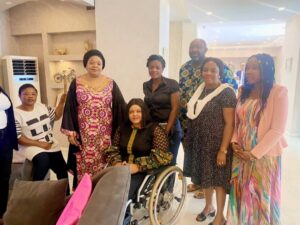
The mentors and mentees from the North Central region, specifically Abuja, engaged in an impactful advocacy visit to CBM Global Disability Inclusion. This visit was part of the Holding Rights, Leading for Rights Project, supported by the Disability Rights Fund (DRF). The primary objective of the visit was to gain insights into the Collaborative Action to End the Cycle of Poverty and Disability and to explore the Country Strategic Plan (CSP) (COLABO: 2023-2026).
The visit provided invaluable lessons for the young women with disabilities, particularly from the address delivered by Ms. Ekaete Umoh, the International Country Director of CBM Global in Nigeria. Ms. Umoh, a former President of the Joint National Association of Persons with Disabilities (JONAPWD), shared her journey and emphasized that:
Ms. Umoh’s ascent in her career exemplifies that young women with disabilities can achieve significant professional milestones. Her story serves as a powerful testament to the potential for growth and success in the face of adversity.
Consistency is Key: Throughout her career, Ms. Umoh has navigated challenges within the disability movement. Her emphasis on perseverance highlights the importance of staying committed to one’s goals and the value of continuous self-improvement.
Value Addition: Ms. Umoh encouraged participants to focus on adding value to their careers, which can enhance their opportunities and visibility in the professional landscape.
While the visit was largely inspirational, several challenges were noted by the participants:
Many organizations are still unaware of the specific needs and potential of women with disabilities, which can hinder opportunities for collaboration and support.
Young women with disabilities often face systemic barriers that limit their access to education and employment opportunities.
There is a pressing need for stronger networks among women with disabilities to share resources, experiences, and strategies for overcoming obstacles.
There is the need to implement targeted awareness campaigns to highlight the capabilities of women with disabilities and the importance of inclusivity in organizations.
There is also the need to expand mentorship initiatives to provide ongoing support and guidance for young women with disabilities, helping them navigate their career paths with confidence.
There is the need to facilitate networking events that connect women with disabilities to industry leaders and potential employers, fostering relationships that can lead to collaborative opportunities.
The insights gained from Ms. Ekaete Umoh not only inspired the participants but also reinforced the importance of resilience and consistency in their journeys. By addressing the challenges faced and implementing the recommended strategies, we can enhance the empowerment of women with disabilities and promote greater inclusion within society.
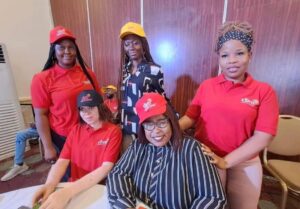
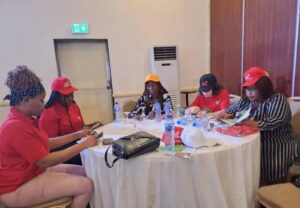
On another ocassion, participants from Plateau State recently gathered to discuss the pressing issues surrounding education for young women with disabilities. The meeting aimed to explore both the advantages and challenges these women face in pursuing their educational goals.
Key insights emerged from the discussions, emphasizing that education is a crucial tool for empowerment. It equips young women with the skills and knowledge necessary to advocate for themselves and secure better opportunities in life. However, many mentees shared personal stories highlighting significant barriers, such as lack of funding, family discouragement, and deeply ingrained societal beliefs.
The meeting also identified several challenges that hinder the educational pursuits of young women with disabilities in Plateau State, including cultural stigmas, insufficient support systems, and limited awareness of their needs.
Overall, the gathering underscored the vital importance of education for these young women and the multitude of challenges they encounter. By addressing cultural stigmas, enhancing community awareness, and establishing structured support, we can foster a more inclusive educational environment. The insights gained will guide future initiatives aimed at empowering young women with disabilities and ensuring their right to education is recognized and upheld.
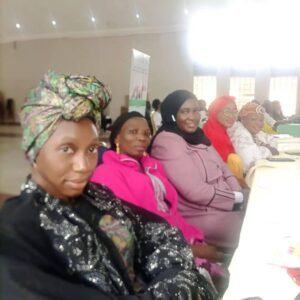
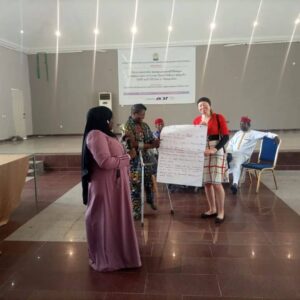
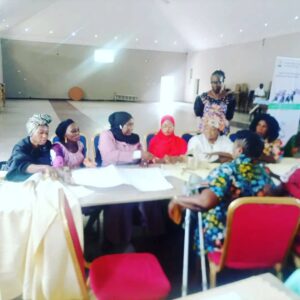
A mentor from the Federal Capital Territory (FCT), accompanied by her mentees, also conducted a courtesy visit to Her Excellency Dr. Mrs. Nkechi Rochas Okorocha, the former First Lady of Imo State. The main goal of this visit was to explore potential partnerships focused on advocating for the empowerment and capacity building of women and young women with disabilities in Nigeria, particularly those aspiring to become entrepreneurs.
Throughout the visit, several key objectives were addressed, including establishing partnerships and advocating for capacity building. The discussions provided valuable insights for both the mentors and mentees:
The mentees discovered that acquiring various practical skills is essential for women with disabilities to achieve independence, reducing reliance on begging and enhancing their economic prospects.
However, the visit also illuminated the unique challenges these women face, including transportation issues, employment barriers, and limited access to healthcare.
Additionally, persistent obstacles such as societal stigma, lack of funding for training, and insufficient support structures were highlighted as critical areas needing attention. Overall, the meeting underscored the importance of collaboration and support in fostering a more inclusive environment for women with disabilities.
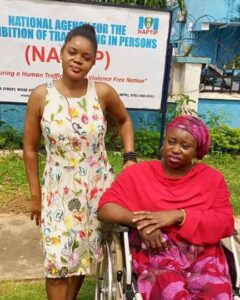
A mentor, Bilkisu Yakubu, and her mentee, Nwafor Cynthia Toochi, conducted an advocacy visit to the National Agency for the Prohibition of Trafficking in Persons (NAPTIP). This visit had several key objectives:
Firstly, they praised NAPTIP for implementing a disability-inclusive policy.
Additionally, the duo sought partnerships with organizations that represent persons with disabilities.
Moreover, they inquired about data on individuals with disabilities involved in trafficking.
In line with this, the review of relevant laws, including the Violence Against Persons Prohibition Act (VAPP), was discussed.
Furthermore, they explored ways to improve access to justice for survivors of Sexual Gender-Based Violence (SGBV), particularly women with disabilities.
Alongside this, measures to enhance accessibility in NAPTIP’s office environment for all persons with disabilities were discussed.
Finally, they aimed to improve outreach to women and girls with disabilities in rural areas regarding NAPTIP’s services.
A key takeaway from the visit was the critical need for accessibility and inclusivity. The inaccessibility of NAPTIP’s office highlighted the challenges faced by persons with disabilities in accessing essential services and fully participating in society. This visit underscored the importance of creating an inclusive environment for all.
Another mentor attended a pivotal meeting with her mentees and five other persons with disabilities, hosted by the Women’s Rights Advancement and Protection Alternative (WRAPA) in Plateau State. This gathering focused on the Legal and Social Empowerment Program aimed at advancing women’s rights. By bringing her mentees along, the mentor ensured they gained firsthand insights and valuable networking opportunities.
The meeting revolved around engaging policy movements to foster multi-stakeholder inter-generational dialogue, including youths, women, and girls. This collaborative effort sought to enhance access to prevention, protection, and justice in addressing Gender-Based Violence.
During the session, the mentor and her mentees were tasked with contributing ideas on how disability groups can advocate for the passage and implementation of the Violence Against Persons Prohibition (VAPP) and Gender Equality Opportunity (GEO) laws in Plateau State. They shared their perspectives on effective strategies to ensure these crucial laws gain traction within the State Assembly.
The plenary was particularly enriching, featuring experience-sharing among youths, cultural leaders, civil society organizations, and women’s groups. A notable achievement from the meeting was the recognition of the mentor and her mentees as critical stakeholders in the ongoing advocacy for the VAPP and GEO laws, highlighting their vital role in the movement for women’s rights and disability inclusion.
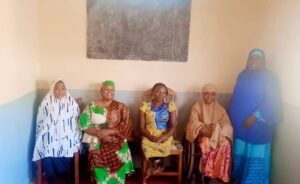
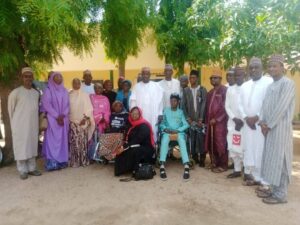
Still in August, Hussaina Lami Umar, a mentor from Kano State, along with her mentees—Bilkisu Ibrahim Ishaq, Badiyya Muhammad Ibrahim, and Rukayya Yahaya Haruna—conducted an impactful advocacy and sensitization visit to Alhaji Umar Haruna Doguwa, the Honorable Commissioner of Education.
The primary aim of their visit was to engage with stakeholders on enhancing access to Inclusive Education for persons with disabilities in Kano State.
This discussion is crucial as it reinforces the roles outlined in both the Kano State Disability Law and the Discrimination Against Persons with Disabilities (Prohibition) Act, 2018. Notably, the former governor, Dr. Abdullahi Umar Ganduje, had previously signed the Kano State Persons with Disabilities Amendment Bill 2022 into law, marking a significant step forward.
Additionally, the visit included an evaluation of the accessibility of school buildings and facilities for persons with disabilities. The Commissioner responded positively, revealing plans for the state government to explore the establishment of inclusive schools throughout Kano.
He committed to ongoing partnerships with NGOs to improve the welfare of people with disabilities and encouraged development partners to align with government policies for sustainable outcomes. This visit not only highlighted the commitment to inclusive education but also set a collaborative tone for future initiatives.